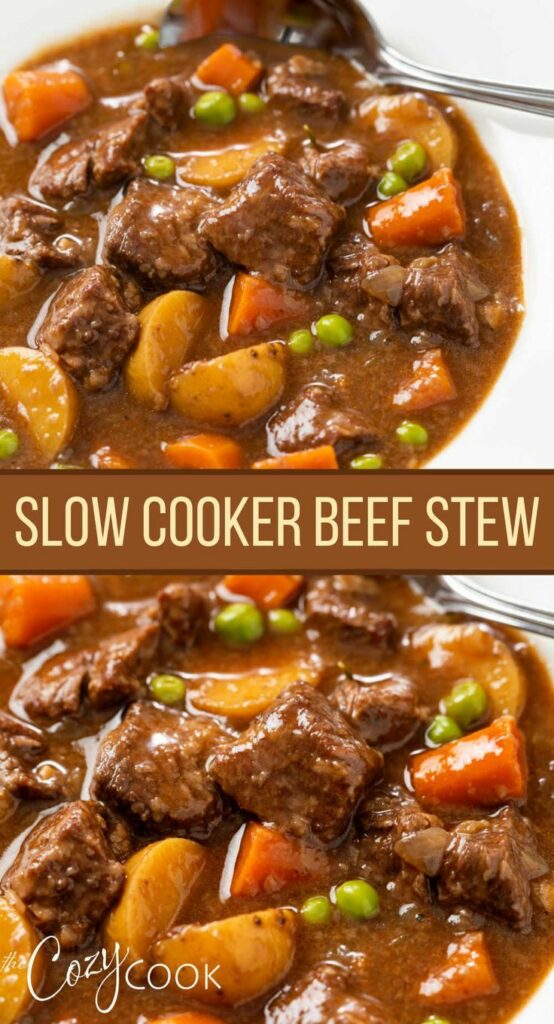
Most slow cooker beef stew recipes promise tender meat and then hand you a bowl of gray broth with chewy cubes floating in it. So the real question a beginner asks is: why does that happen, and can a slow cooker actually fix it? The answer is yes, but only if you treat two steps differently than the dump-and-go version on the back of the soup can.
Advertisements1
Here's the trade-off I tested. Option one is browning the beef in batches on the stove first, which adds about 12 minutes and one extra pan. Option two is skipping it entirely. The un-browned version tastes flat and thin, because browning at 450°F (230°C) creates the roasted flavor compounds that wet heat alone never produces. I brown. It is worth the pan.
The second trade-off is potato timing. Russets break down and thicken the gravy but can turn to mush; Yukon Golds hold their shape but thicken less. I use Yukon Golds and add a small cornstarch slurry at the end, which gives you control instead of hoping. A slow cooker cannot brown, sear, or reduce – it can only hold a wet, gentle heat – so you have to bring the flavor in with you.
Why You'll Love This Recipe
About the Ingredients
3 lb (1.35 kg) boneless beef chuck roast, cut into 1 1/2-inch chunks
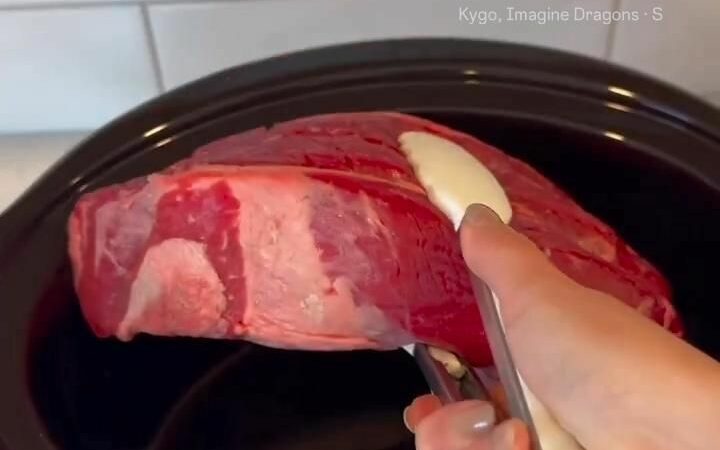
Chuck is the right choice because its heavy marbling melts into the gravy. Buying tip: look for a roast with visible white streaks, not a uniformly red block – that marbling is your tenderness insurance. Stew meat labeled 'for stewing' is often round, which stays tough.
2 tbsp (30 ml) vegetable oil, divided
Use an oil with a high smoke point, since you are searing at 450°F (230°C). Canola or avocado work; olive oil will smoke and turn bitter at that heat.
1 1/2 tsp (9 g) kosher salt, plus more to taste
Kosher salt is coarser and seasons more evenly than table salt. If using fine table salt, cut this to 1 tsp (6 g) or the stew will taste sharp.
1 tsp (2 g) freshly ground black pepper
Pre-ground pepper loses its bite fast. Grinding your own takes 20 seconds and makes a noticeable difference in a long cook.
2 medium yellow onions, cut into 1-inch chunks
Yellow onions go sweet and soft over 7 hours. White onions stay sharper; sweet onions turn jammy and can almost dissolve, which is fine but changes the texture.
3 tbsp (24 g) all-purpose flour
Flour coats the beef and thickens the braise. For gluten-free, substitute 1 1/2 tbsp cornstarch tossed with the meat, then add another 1 tbsp slurry at the end.
3 tbsp (45 g) tomato paste
Tomato paste adds body and a subtle sweetness without making it taste like tomato soup. Buying tip: the tube keeps far longer than the can and lets you use exactly what you need.
4 cups (960 ml) low-sodium beef broth
Low-sodium matters because the stew reduces and concentrates. If you only have regular broth, skip the added salt until the end and taste first.
1 tbsp (15 ml) Worcestershire sauce
This is the umami shortcut – it adds depth that would otherwise take hours of reducing. Soy sauce works as a substitute in the same amount.
1 1/2 lb (680 g) Yukon Gold potatoes, cut into 1 1/2-inch chunks
Yukon Golds hold their shape but still go creamy at the edges. Russets thicken the gravy more but risk turning to mush after 7 hours; if you use them, add them at the 4-hour mark instead.
4 medium carrots (about 12 oz / 340 g), cut into 1-inch coins
Cut them thick – thin coins vanish over a long cook. Buying tip: whole carrots beat baby carrots here, which are machined and cook unevenly.
2 dried bay leaves and 1 tsp (1 g) dried thyme
Dried herbs survive a long braise better than fresh, which goes grassy and faded. Fresh thyme is fine if you add it in the last 30 minutes.
Tips & Tricks
Do not lift the lid
Every peek releases trapped heat and adds roughly 20 minutes to the cook time. Trust the timer and check at the 7-hour mark.
Thicken at the end, not the start
A cornstarch slurry stirred in during the last 30 minutes gives you control over the final texture instead of guessing.
- Do not skip the sear, but do it in two batches: Piling all the beef in at once drops the pan temperature and steams the meat instead of browning it, which is the number one cause of bland slow cooker stew.
- Layer potatoes on top of the meat, not underneath: They need to sit above the liquid line so they steam and stay intact rather than disintegrating at the bottom of the crock.
Pro Tips
Step-by-Step Instructions
1. Dry and season the beef
Pat the beef chunks thoroughly dry with paper towels, then toss with the salt, pepper, and flour in a large bowl until evenly coated. Drying is the step that decides whether you get browning or steaming, so do not rush it.
2. Sear in two batches
Heat 1 tbsp oil in a large skillet over medium-high heat until it shimmers, roughly 350°F (175°C) on an instant-read thermometer. Add half the beef and sear undisturbed for 3 to 4 minutes per side until deeply golden brown on at least two sides, then transfer to the slow cooker. Repeat with the remaining oil and beef.
3. Bloom the tomato paste
Lower the skillet heat to medium and add the tomato paste and onions. Cook, stirring, for 3 to 4 minutes at 300°F (150°C) pan temperature until the paste darkens to brick red and the onions soften at the edges – this takes the raw tinny edge off the paste.
4. Deglaze the pan
Pour in about 1/2 cup of the beef broth and scrape the browned bits off the bottom with a wooden spoon until the liquid simmers and the pan looks clean, about 1 minute. Pour everything into the slow cooker.
5. Load the slow cooker
Add the remaining broth, Worcestershire sauce, thyme, and bay leaves to the crock and stir once. Scatter the carrots over the beef, then layer the potatoes on top so they sit above the liquid line.
6. Cook low and slow
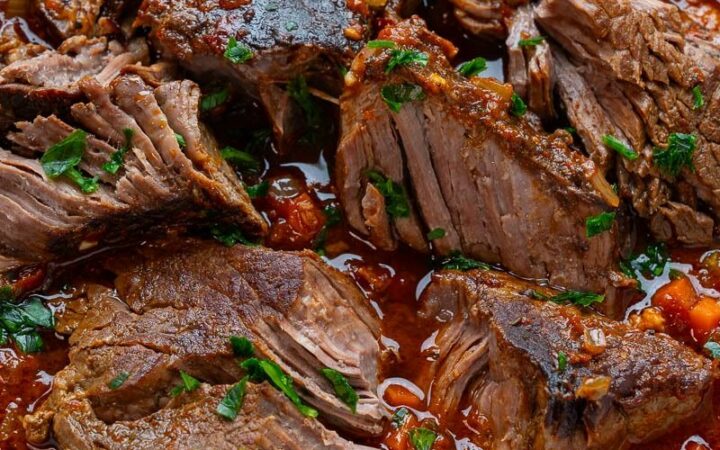
Cover and cook on LOW for 7 to 8 hours. The stew is done when the beef shreds with light pressure from a fork and the potatoes pierce easily with no resistance – the internal temperature of a beef chunk should read at least 200°F (93°C) for that fall-apart texture.
7. Thicken the gravy
In a small bowl, whisk 1 tbsp cornstarch with 2 tbsp cold water, then stir it into the stew. Cover and cook on HIGH for 20 to 30 minutes until the gravy coats the back of a spoon and bubbles gently at the edges.
8. Finish and rest
Fish out the bay leaves, stir in the frozen peas if using, and taste for salt. Let the stew sit off heat for 15 minutes before ladling – it will thicken further and stop scalding anyone's tongue.
Delicious Variations
Red wine version
Replace 1 cup of the broth with dry red wine and add it to the deglaze step for a deeper, more acidic gravy.
Mushroom and barley
Swap 1 cup of potatoes for 1 cup sliced cremini mushrooms and add 1/3 cup pearl barley in the last 2 hours for a heartier, grain-based bowl.
Smoky chipotle
Stir in 1 minced chipotle pepper in adobo with the broth for a gentle heat that plays well against the sweet carrots.
How to Store Slow Cooker Beef Stew
Refrigerator
Store in an airtight container for up to 4 days. The gravy thickens considerably when cold; loosen with a splash of broth when reheating.
Freezer
Freeze in portions for up to 3 months. Potatoes soften slightly on thaw, so freeze within the first two days for the best texture.
Reheating
Reheat gently on the stovetop over medium-low heat at about 300°F (150°C), stirring occasionally, for 8 to 10 minutes until steaming. Microwaving works but heats unevenly and can toughen the meat edges.
Frequently Asked Questions
Q: Why is my slow cooker beef stew tough?
Tough beef almost always means it was cooked too briefly or the cut was too lean. Chuck needs a long, gentle cook – at least 7 hours on LOW – to break down connective tissue, and lean cuts like round never get tender no matter how long you cook them.
Q: Can I put raw beef in a slow cooker without browning it first?
Yes, you can, and it is safe, but the stew will taste noticeably flatter. Browning at 450°F (230°C) before adding the meat creates roasted flavor compounds that a 200°F (93°C) slow cooker simply cannot produce.
Q: Do I need to add liquid to slow cooker beef stew?
Yes, you need enough liquid to come about halfway up the meat, which is why this recipe uses 4 cups of broth. A dry slow cooker will scorch, and the meat needs that liquid to braise rather than roast.
Q: How do I thicken beef stew in a slow cooker?
The most reliable method is a cornstarch slurry stirred in during the last 20 to 30 minutes on HIGH. Flour added at the start can clump, and reducing the liquid is not practical in a sealed slow cooker.
Q: Can I cook this beef stew on HIGH instead of LOW?
You can, but the texture suffers – expect about 4 hours on HIGH instead of 7 to 8 on LOW. The gentler LOW setting gives the collagen time to melt into gelatin, which is what makes the meat silky rather than stringy.
Give this one a try on a Sunday and see how the house smells by hour five. Then tell me whether you browned the beef or skipped it – I want to know if you can taste the difference the way I could. Test it before you trust it.
Slow Cooker Beef Stew
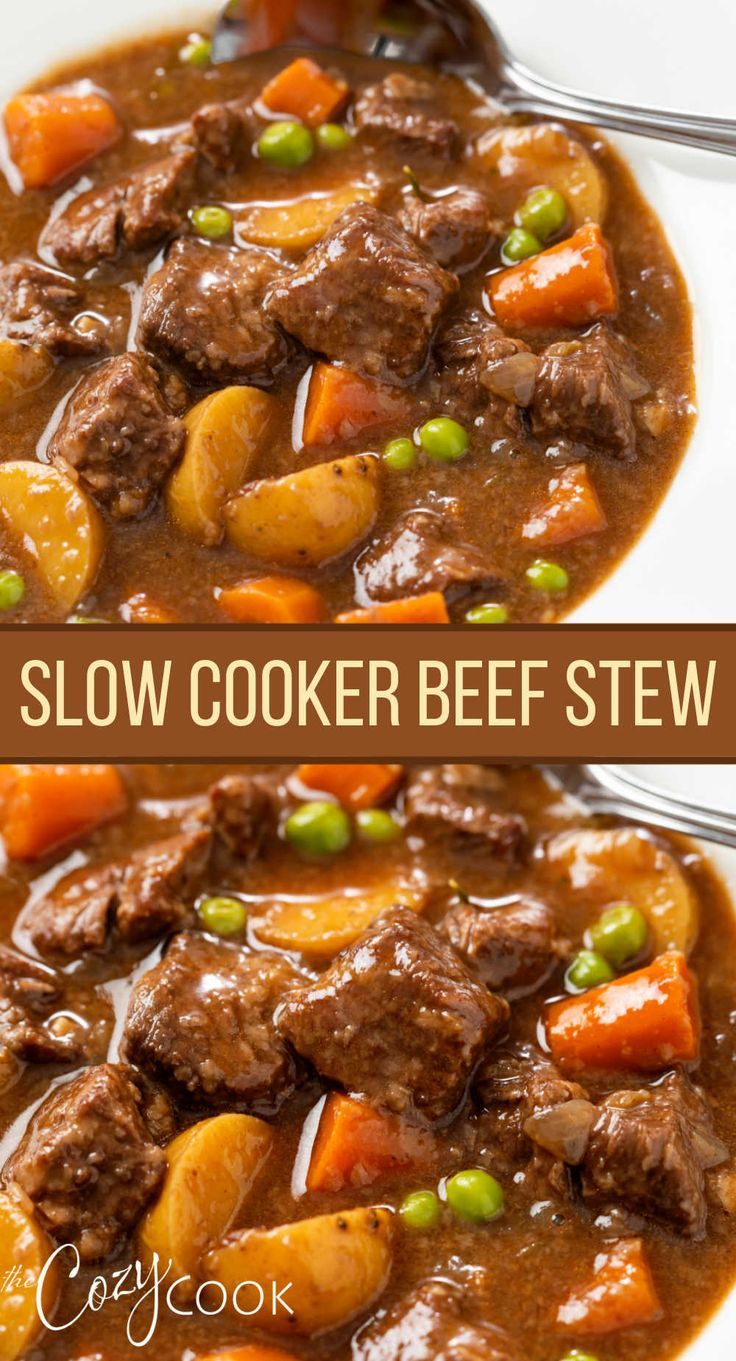
This slow cooker beef stew builds deep savory flavor with fall-apart chuck, tender carrots and potatoes in a rich herb gravy, all hands-off.
🧂 Ingredients
- 3 lb (1.35 kg) boneless beef chuck roast, cut into 1 1/2-inch chunks
- 2 tbsp (30 ml) vegetable oil, divided
- 1 1/2 tsp (9 g) kosher salt, plus more to taste
- 1 tsp (2 g) freshly ground black pepper
- 2 medium yellow onions, cut into 1-inch chunks
- 3 tbsp (24 g) all-purpose flour
- 3 tbsp (45 g) tomato paste
- 4 cups (960 ml) low-sodium beef broth
- 1 tbsp (15 ml) Worcestershire sauce
- 1 1/2 lb (680 g) Yukon Gold potatoes, cut into 1 1/2-inch chunks
- 4 medium carrots (about 12 oz / 340 g), cut into 1-inch coins
- 2 dried bay leaves and 1 tsp (1 g) dried thyme
📋 Instructions
- 1Dry and season the beef — Pat the beef chunks thoroughly dry with paper towels, then toss with the salt, pepper, and flour in a large bowl until evenly coated. Drying is the step that decides whether you get browning or steaming, so do not rush it.
- 2Sear in two batches — Heat 1 tbsp oil in a large skillet over medium-high heat until it shimmers, roughly 350°F (175°C) on an instant-read thermometer. Add half the beef and sear undisturbed for 3 to 4 minutes per side until deeply golden brown on at least two sides, then transfer to the slow cooker. Repeat with the remaining oil and beef.
- 3Bloom the tomato paste — Lower the skillet heat to medium and add the tomato paste and onions. Cook, stirring, for 3 to 4 minutes at 300°F (150°C) pan temperature until the paste darkens to brick red and the onions soften at the edges – this takes the raw tinny edge off the paste.
- 4Deglaze the pan — Pour in about 1/2 cup of the beef broth and scrape the browned bits off the bottom with a wooden spoon until the liquid simmers and the pan looks clean, about 1 minute. Pour everything into the slow cooker.
- 5Load the slow cooker — Add the remaining broth, Worcestershire sauce, thyme, and bay leaves to the crock and stir once. Scatter the carrots over the beef, then layer the potatoes on top so they sit above the liquid line.
- 6Cook low and slow — Cover and cook on LOW for 7 to 8 hours. The stew is done when the beef shreds with light pressure from a fork and the potatoes pierce easily with no resistance – the internal temperature of a beef chunk should read at least 200°F (93°C) for that fall-apart texture.
- 7Thicken the gravy — In a small bowl, whisk 1 tbsp cornstarch with 2 tbsp cold water, then stir it into the stew. Cover and cook on HIGH for 20 to 30 minutes until the gravy coats the back of a spoon and bubbles gently at the edges.
- 8Finish and rest — Fish out the bay leaves, stir in the frozen peas if using, and taste for salt. Let the stew sit off heat for 15 minutes before ladling – it will thicken further and stop scalding anyone's tongue.

Priya writes about learning and working with technology without the marketing gloss. Her angle is explaining how tools actually behave, where they fail, and what a reasonable expectation looks like for a non-expert. She prefers concrete comparisons and honest trade-offs over rankings.