Here is the question I get most about creamy garlic chicken: why does my sauce split or taste thin when the restaurant version coats the back of a spoon? The answer usually isn't the cream, it's the order of operations. You have to build flavor in the pan first, then manage heat carefully once dairy goes in.
Advertisements1
I tested this recipe two ways, with heavy cream and with half-and-half, and the trade-off is real. Heavy cream gives you a sauce that holds together even if you get distracted for a minute, while half-and-half tastes lighter but can curdle if it boils. I went with heavy cream for forgiveness, and I'll tell you how to swap if you want it leaner.
One thing a skillet cannot do is tell you when the chicken is safe. A thermometer can, and it should read 165F (74C) at the thickest point. Everything else here is your eyes and nose: golden crust, bubbling edges, garlic that smells sweet rather than sharp.
Why You'll Love This Recipe
About the Ingredients
6 boneless, skinless chicken thighs (about 2 lb / 900 g), trimmed
Thighs stay juicy through the simmer; if you prefer breasts, use 3 large ones halved horizontally and pull them 2 minutes earlier. Look for thighs of even thickness so they sear at the same rate.
1 1/2 tsp kosher salt, plus more to taste
Kosher salt seasons more evenly than fine table salt by volume; if using table salt, start with 1 tsp. Salt the chicken 15 minutes ahead if you have time for better browning.
1/2 tsp freshly ground black pepper
Fresh-cracked pepper blooms in the hot pan; pre-ground works but tastes flatter. Add it after salting so it sticks to the damp surface.
2 tbsp olive oil
Use regular, not extra-virgin, for the sear since it handles heat better; avocado oil is a fine swap if you want a higher smoke point.
2 tbsp unsalted butter
Unsalted lets you control the salt level; if you only have salted butter, cut the added salt in the sauce by half.
8 garlic cloves, thinly sliced
Sliced garlic sweetens gently; minced garlic burns faster, so keep the slices thick-ish. Jarred garlic is convenient but tastes more sulfurous here.
1 cup (240 ml) low-sodium chicken broth
Low-sodium lets you reduce without going salty; vegetable broth works for a lighter version. Swirl the pan to lift the browned bits, which is where the flavor lives.
1 cup (240 ml) heavy cream
Heavy cream resists curdling; half-and-half is a lighter swap but must never come to a full boil. Do not use milk, which will thin out and split.
1/2 cup (50 g) finely grated parmesan
Grate it yourself from a wedge for a smoother melt; pre-shredded cheese has starch that can make the sauce grainy. Pecorino is sharper and saltier, so use a little less.
2 tbsp chopped fresh parsley
Stirred in off heat, parsley stays green and bright; dried parsley adds little here. Basil or chives are good swaps if that is what you have.
Tips & Tricks
Dry the Chicken First
Pat the thighs completely dry and salt them 15 minutes ahead; surface moisture steams instead of sears, and you lose the golden crust that flavors the sauce.
Control the Cream
Once cream goes in, keep the heat at medium-low and never let it boil hard; boiling is the fastest way to a grainy, split sauce.
Toast, Do Not Burn, the Garlic
Add sliced garlic to butter over medium heat and pull the pan off the burner the second it smells sweet and turns pale gold, because burnt garlic turns the whole sauce bitter.
Rest Before Slicing
Let the chicken sit 5 minutes off heat before serving so the juices redistribute; slicing immediately dumps them onto the plate instead of into the meat.
Pro Tips
Step-by-Step Instructions
1. Dry and Season
Pat the chicken thighs very dry with paper towels, then season both sides with the kosher salt and black pepper. Let them sit at room temperature for 15 minutes while you slice the garlic.
2. Sear the Chicken
Heat the olive oil in a 12-inch skillet over medium-high heat (about 375F / 190C) until it shimmers, then add the chicken and cook 5 to 6 minutes per side until deep golden brown. The chicken will not be fully cooked yet, which is fine; transfer it to a plate.
3. Soften the Garlic
Lower the heat to medium and melt the butter in the same pan, then add the sliced garlic and cook 45 to 60 seconds, stirring, until fragrant and pale gold. Do not let it brown past light gold or the sauce will taste bitter.
4. Build the Sauce
Pour in the chicken broth and scrape up the browned bits with a wooden spoon, then simmer 3 to 4 minutes until the liquid reduces by about half and the pan smells savory rather than sharp.
5. Add the Cream
Reduce the heat to medium-low, pour in the heavy cream, and stir gently. Simmer 4 to 5 minutes without boiling until the sauce thickens enough to coat the back of a spoon and bubbles just at the edges.
6. Finish the Sauce
Turn off the heat and whisk in the parmesan until smooth, then taste and add salt if needed. The sauce should look glossy, not grainy.
7. Return the Chicken
Nestle the chicken back into the sauce with any collected juices and simmer over low heat 6 to 8 minutes until the thickest part reads 165F (74C) on an instant-read thermometer and the sauce bubbles gently at the edges.
8. Rest and Serve
Take the pan off the heat, scatter the parsley over the top, and let it rest 5 minutes before serving so the sauce settles and the chicken stays juicy.
Delicious Variations
Mushroom Cream Version
Sauté 8 oz (225 g) sliced cremini mushrooms after the chicken and before the garlic, then proceed; they add earthy depth but soak up some sauce, so add 2 extra tablespoons of broth.
Lemon-Herb Lighter Take
Use half-and-half instead of cream, add 1 tsp lemon zest with the parmesan, and keep the heat low; it tastes brighter but is less forgiving if it boils.
Spicy Garlic Kick
Add 1/4 tsp red pepper flakes with the garlic and finish with a squeeze of lemon; the heat cuts the richness without changing the technique.
How to Store Creamy Garlic Chicken
Refrigerator
Store leftovers in an airtight container in the refrigerator up to 3 days; keep the chicken submerged in sauce so it does not dry out.
Freezer
Freeze in a sealed container up to 2 months, but expect the cream sauce to look slightly separated after thawing; whisk gently while reheating to bring it back.
Reheating
Reheat gently in a covered skillet over low heat with a splash of broth or cream, 5 to 7 minutes, stirring until the sauce is smooth; avoid the microwave on high, which can split the cream.
Frequently Asked Questions
Q: Why did my creamy garlic sauce curdle?
Your sauce most likely boiled after the cream went in. Keep the heat at medium-low once dairy is added and stir gently, and if it looks grainy, whisk in a tablespoon of warm cream off the heat to pull it back together.
Q: Can I use milk or half-and-half instead of heavy cream?
Yes, but with a trade-off: half-and-half works if you never let it boil, while milk will taste thin and is much more likely to split. If you use half-and-half, add it over low heat and simmer only until it coats a spoon.
Q: How do I know when the chicken is done?
Use an instant-read thermometer and look for 165F (74C) at the thickest part of the thigh. Visual cues help too: the juices should run clear and the meat should feel firm but not springy when pressed.
Q: Can I make creamy garlic chicken ahead of time?
You can, and it reheats well within 3 days, but the sauce thickens in the fridge. Reheat over low heat with a splash of broth or cream, stirring until it loosens, rather than blasting it in the microwave.
Q: Why did my garlic turn bitter?
Burnt garlic is the culprit, and sliced garlic goes from gold to bitter in seconds. Add it to butter over medium heat, stir constantly, and pull the pan off the burner as soon as it smells sweet and looks pale gold.
Give this one a try on a weeknight when you want something that feels richer than the effort suggests, and keep a thermometer nearby so you are not guessing at doneness. Test it before you trust it.
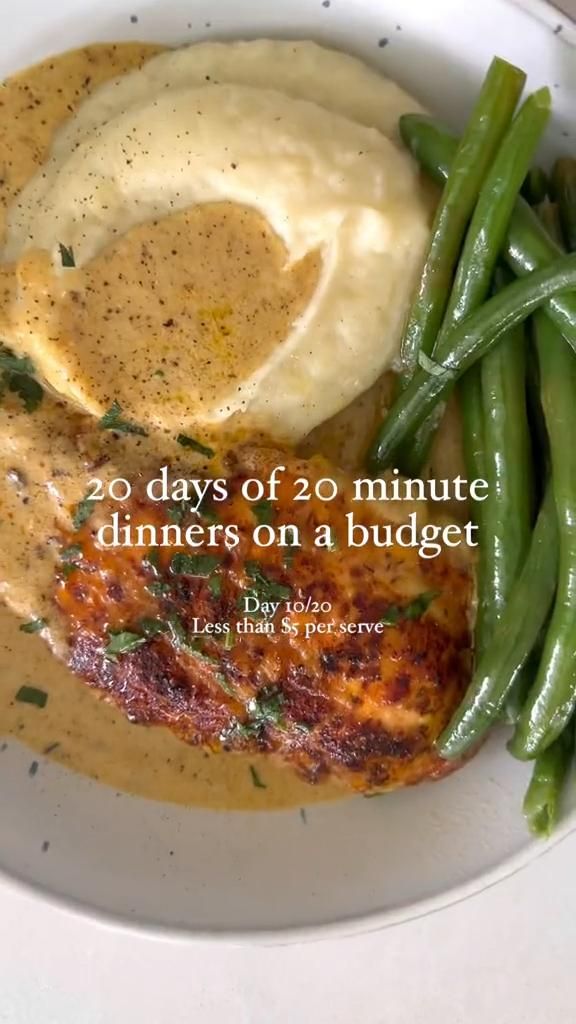
Creamy Garlic Chicken
Creamy Garlic Chicken is a one-pan skillet dinner with golden seared cutlets in a silky garlic-parmesan pan sauce that comes together in under an hour.
🧂 Ingredients
- 6 boneless, skinless chicken thighs (about 2 lb / 900 g), trimmed
- 1 1/2 tsp kosher salt, plus more to taste
- 1/2 tsp freshly ground black pepper
- 2 tbsp olive oil
- 2 tbsp unsalted butter
- 8 garlic cloves, thinly sliced
- 1 cup (240 ml) low-sodium chicken broth
- 1 cup (240 ml) heavy cream
- 1/2 cup (50 g) finely grated parmesan
- 2 tbsp chopped fresh parsley
📋 Instructions
- 1Dry and Season — Pat the chicken thighs very dry with paper towels, then season both sides with the kosher salt and black pepper. Let them sit at room temperature for 15 minutes while you slice the garlic.
- 2Sear the Chicken — Heat the olive oil in a 12-inch skillet over medium-high heat (about 375F / 190C) until it shimmers, then add the chicken and cook 5 to 6 minutes per side until deep golden brown. The chicken will not be fully cooked yet, which is fine; transfer it to a plate.
- 3Soften the Garlic — Lower the heat to medium and melt the butter in the same pan, then add the sliced garlic and cook 45 to 60 seconds, stirring, until fragrant and pale gold. Do not let it brown past light gold or the sauce will taste bitter.
- 4Build the Sauce — Pour in the chicken broth and scrape up the browned bits with a wooden spoon, then simmer 3 to 4 minutes until the liquid reduces by about half and the pan smells savory rather than sharp.
- 5Add the Cream — Reduce the heat to medium-low, pour in the heavy cream, and stir gently. Simmer 4 to 5 minutes without boiling until the sauce thickens enough to coat the back of a spoon and bubbles just at the edges.
- 6Finish the Sauce — Turn off the heat and whisk in the parmesan until smooth, then taste and add salt if needed. The sauce should look glossy, not grainy.
- 7Return the Chicken — Nestle the chicken back into the sauce with any collected juices and simmer over low heat 6 to 8 minutes until the thickest part reads 165F (74C) on an instant-read thermometer and the sauce bubbles gently at the edges.
- 8Rest and Serve — Take the pan off the heat, scatter the parsley over the top, and let it rest 5 minutes before serving so the sauce settles and the chicken stays juicy.